Neferneferuaten
Glorious is the
Splendour of the Sun
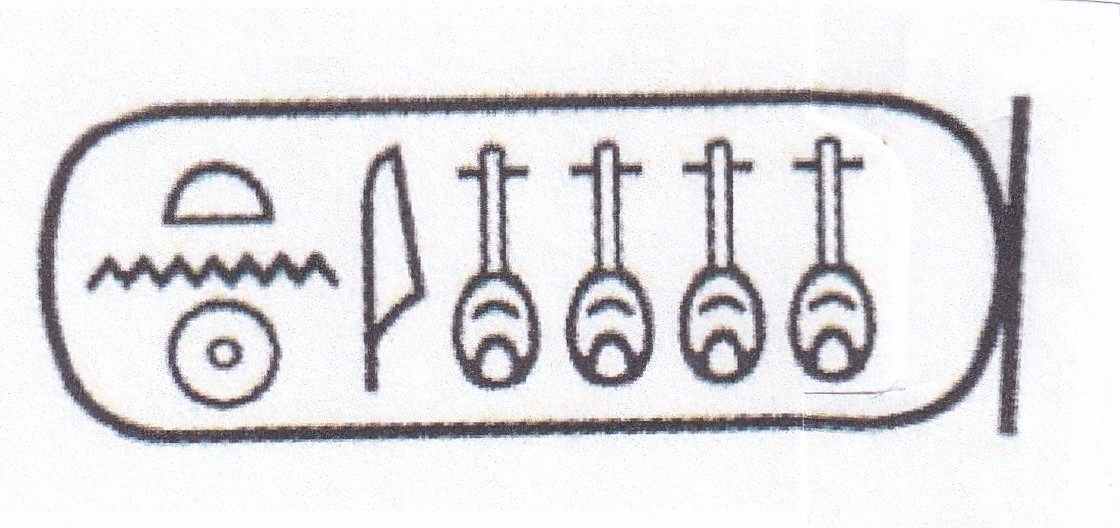 by
by
Robin Gordon
 Auksford, 2024
In preparing this story I have not read any other fictional
treatments of the Amarna period but concentrated on serious histories
by recognised Egyptologists. The only fictions I have come
across are two short fantasy scenes in Christiane
Desroches-Noblecourt’s Tutankhamun,
one in which the young Tutankhamun accompanies his
“mother”, Queen Tiye, on a visit to his
“brother’s” court, and another in which
he stops on his way to his coronation to watch acrobats performing in
the street, a scene that she borrowed from the life of Richard II of
England. The fictional parts of this narrative are therefore
my own and, where they stray from established facts, cannot be blamed
on anyone else.
The title of Part I is The
Gods of Kemet. Kemet was one of the names of
Ancient Egypt. It means the Black Land, that is the river
valley and delta made fertile by the black silt brought down by the
annual floods. It contrasts with the surrounding Red Land,
the desert, called in Egyptian Deshret.
The other widely used name for Ancient Egypt was The Two
Lands, reflecting the fact that the Nile valley and the Delta were
separate Kingdoms until united by the King of Upper Egypt in about
3,100 BC, more than 1,600 years before the Amarna period.
The other parts of this story are called by the throne names
of the Kings ruling at the time. New Kingdom Kings had five
names of which the two most important were the throne name (called by
modern Egyptologists the pre-nomen),
and the personal name (now called the nomen). These were
the names enclosed in cartouches. The King was known to his
people by his throne name, and every King had a unique throne
name. Throne names were never repeated for different
Kings. The King’s personal name was the one he
received at birth, and boys would often be called after their fathers
or grandfathers. Modern historians of Egypt use the personal
names with numbers, for example Amenhotep III. In this
narrative I refer to the King sometimes by his throne name, as his
people would have done, sometimes by throne name followed by personal
name to make his identity clear, and, when he is mentioned by a close
family member, by his personal name.
The Kings’ throne names, their meanings, and the
modern designation of each, are as follows:-
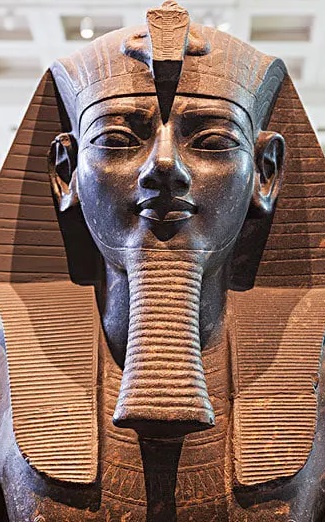
Part II:
Nebmaatre
(Re is Lord of Universal Order)
Amenhotep III
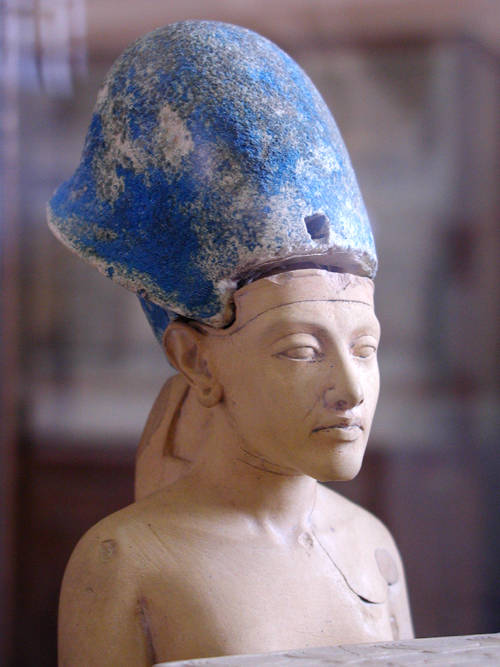
Part III: Neferkheperure-Waenre
(Beautiful are the Manifestations of Re
The Perfect One of Re)
Amenhotep IV / Akhenaten
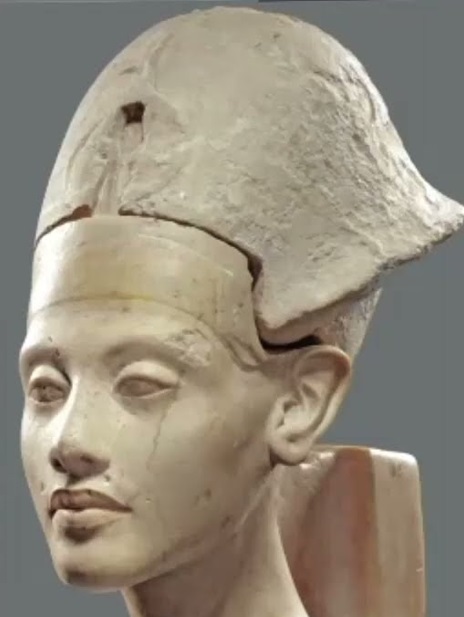
Part IV: Ankhkheperure
(Living are the Manifestations of Re)
Neferneferuaten-Nefertiti / Smenkhkare
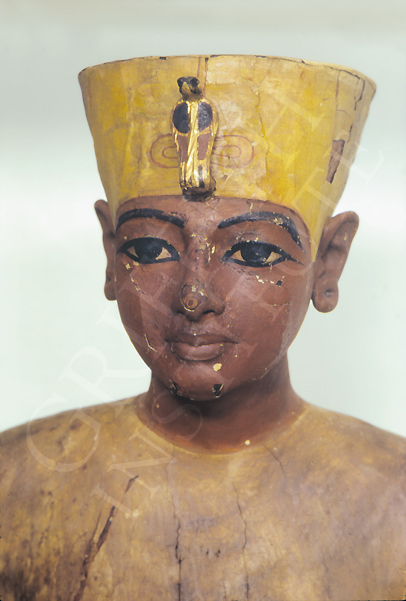
Part V: Nebkheperure
(The Lord of Manifestations is Re)
Tutankhamun
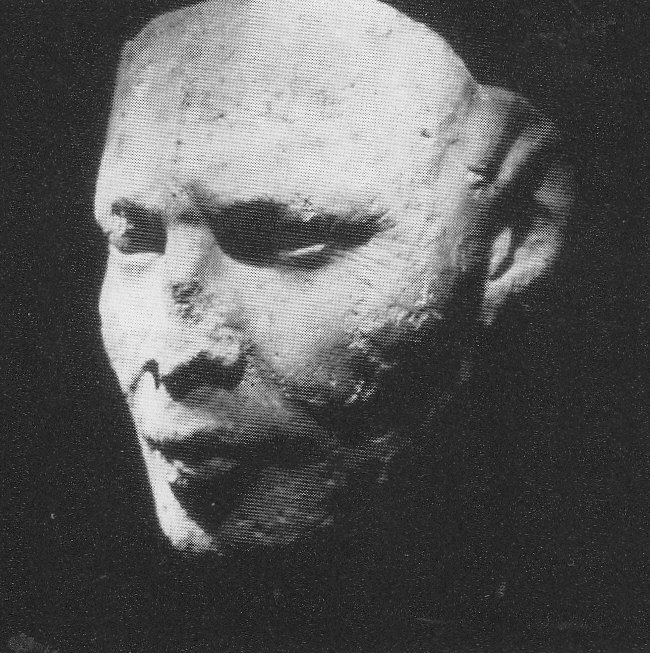
Part VI: Kheperkheperure
(Everlasting are the Manifestations of Re)
Ay
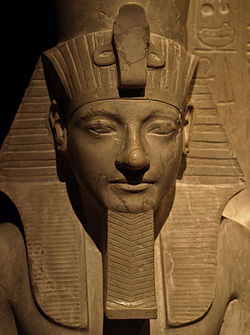
Part VII: Djeserkheperure-Setepenre
(Holy are the Manifestations of Re
The Holy One of Re)
Horemheb
Please remember that
this story is copyright.
See Copyright and Concessions
for permitted uses.
Neferneferuaten
Index
Index to
Robin Gordon's works
Auksford Index
E-mail robingordon.auksford@gmail.com